What is AdBlue? | A Guide For Vehicle Hire
If you’ve rented a modern diesel vehicle in Australia recently, you may have noticed a dashboard warning about AdBlue or seen a separate blue filler cap near the fuel tank. For many drivers, this raises an obvious question: What exactly is AdBlue, and why does it matter when renting a vehicle? In this guide, we explain what AdBlue is, why it’s required in many modern diesel vehicles in Australia, and what renters need to know before hitting the road.
Alannah F
Marketing Manager
What Is AdBlue?
The technical part...
AdBlue is a diesel exhaust fluid (DEF) used in many modern diesel vehicles to reduce harmful emissions. Despite the name, it isn’t a fuel or fuel additive. Instead, it’s a clear solution made of 32.5% high-purity urea and 67.5% demineralised water.
Vehicles equipped with Selective Catalytic Reduction (SCR) technology inject AdBlue into the exhaust system. This process converts harmful nitrogen oxide gases (NOx) produced by diesel engines into harmless nitrogen and water vapour before they leave the tailpipe.
The technology allows diesel vehicles to maintain performance and fuel efficiency while significantly reducing emissions.
Unlike diesel fuel, AdBlue is stored in a separate tank in the vehicle. It is processed automatically while driving, with no input required from the driver.
Why AdBlue Is Used in Australia
Australia is progressively adopting stricter emissions standards similar to those used in Europe. As these standards become more widespread, many diesel vehicles, especially newer models require AdBlue to meet compliance requirements. AdBlue helps reduce nitrogen oxide emissions by up to 90%, making diesel engines significantly cleaner.
As a result, AdBlue is now common in:
Diesel passenger vehicles
4WDs and SUVs
Light commercial vehicles and vans
Trucks and heavy transport fleets
Because of this, it’s increasingly common to encounter AdBlue in rental vehicles across Australia.
Does AdBlue Affect Driving?
For most drivers, AdBlue has no impact on everyday driving. The system operates automatically, and the only responsibility is to keep the AdBlue tank topped up when needed.
Typical usage depends on driving style and vehicle type, but many vehicles can travel thousands of kilometres before needing a refill.
However, if the tank runs empty, the vehicle may:
Limit engine performance, or
Prevent the engine from restarting after it’s switched off.
This is why keeping the tank topped up is important.
AdBlue and Vehicle Rentals in Australia
If you’re renting a diesel vehicle in Australia, especially a newer SUV, ute, or van there’s a good chance it uses AdBlue. Here’s what renters should know.
1. Rental Vehicles Usually Start With a Full Tank
Most rental companies supply vehicles with a full AdBlue tank, just like they do with fuel. In many cases, the fluid lasts longer than a standard rental period.
For short rentals, you typically won’t need to refill it yourself.
2. Warning Lights May Appear
Modern vehicles display a dashboard warning when AdBlue levels start running low. These warnings often appear well before the tank is empty, giving plenty of time to refill.
If you see a message such as:
“AdBlue low”
“Refill AdBlue”
“Range limited”
It simply means the fluid level is getting low.
3. Long Rentals May Require a Top-Up
For longer rentals or road trips, renters may need to add AdBlue. The process is simple:
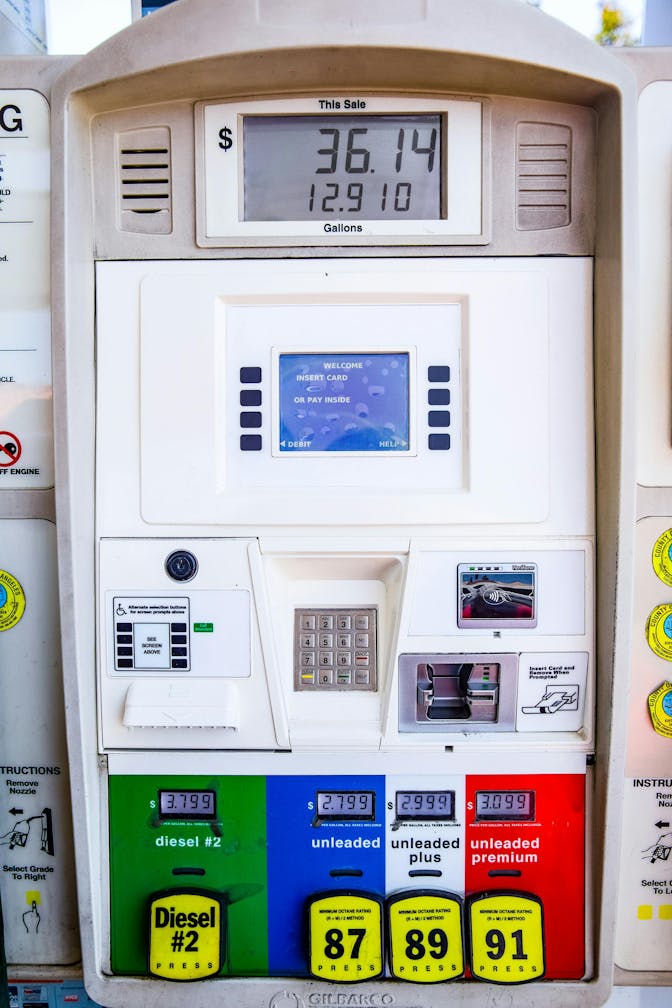
Purchase AdBlue from a service station, auto store, or truck stop.
Locate the blue AdBlue filler cap (usually near the diesel cap or under the bonnet).
Pour the fluid into the dedicated tank.
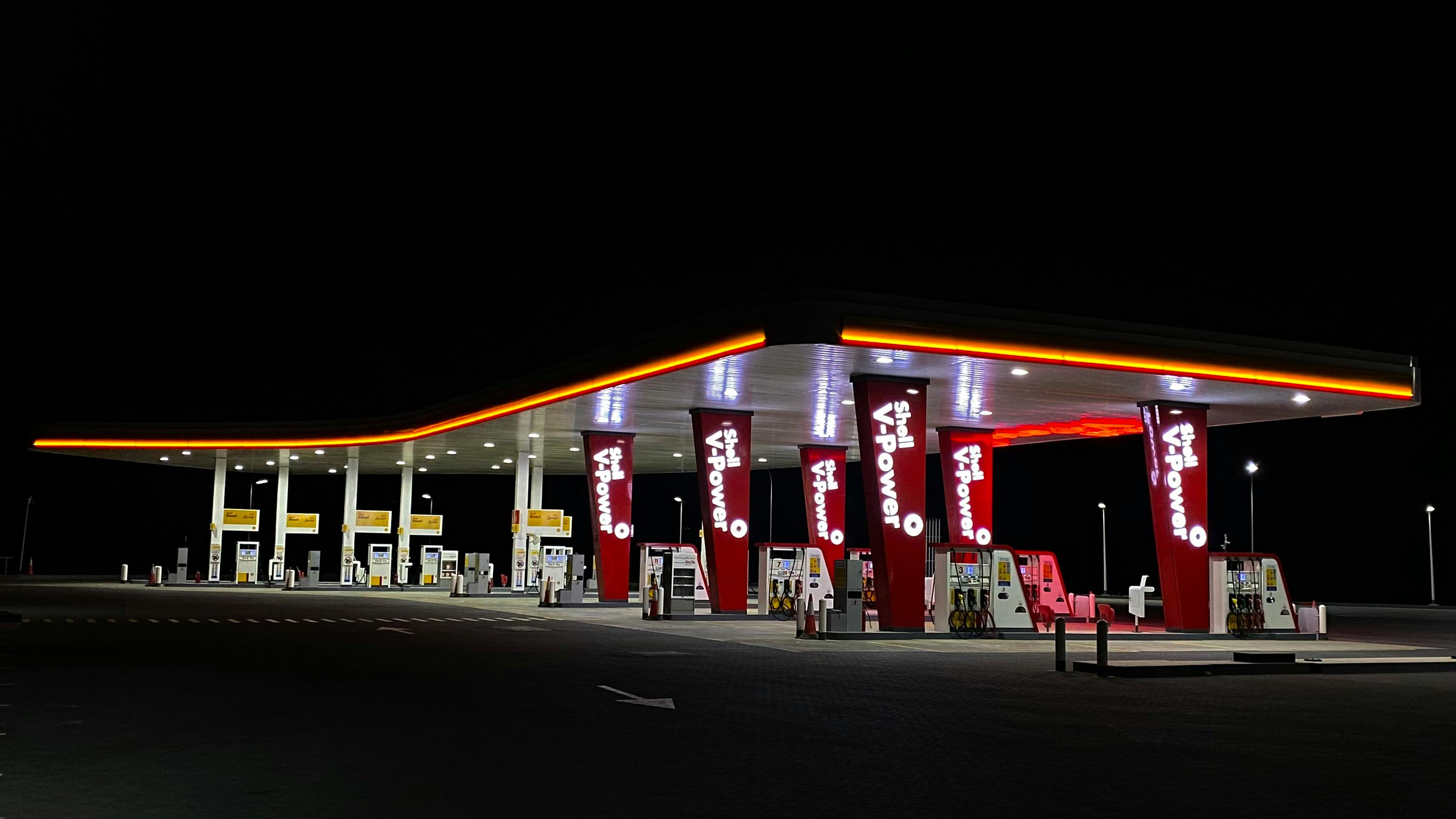
AdBlue is widely available across Australia in bottles or at dedicated pumps.
4. Never Put AdBlue in the Fuel Tank
One of the most important rules:
AdBlue must never be added to the diesel fuel tank.
It has its own separate filler and system. Putting it in the wrong tank can cause serious damage.
5. Rental Policies May Vary
Some rental companies require renters to return the vehicle with sufficient AdBlue, while others treat it as a maintenance item. Always check your rental agreement or ask the rental company before setting off if you're unsure.
Siga-nos nas Redes Sociais
Fique conectado para as últimas atualizações e inspirações de viagem